






















More Than a Dub: The Story Behind Dimes, Deals, and Culture


Introduction
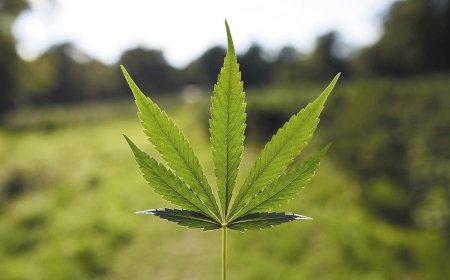
In the heart of urban street culture, few terms are as iconic as "Dimes & Dubs." More than just slang for cannabis measurements, these words carry deep significance, connecting generations of people to a shared lifestyle, economic system, and language. Whether you're a longtime part of the community or a newcomer looking to understand the roots of cannabis culture, the story of dimes and dubs is one of survival, innovation, and identity.
Understanding the Basics: What Are Dimes and Dubs?
Before diving into the cultural significance, it's essential to understand the terminology itself:
-
A "Dime" typically refers to a $10 bag of cannabis, historically about 1 gram, depending on quality and local pricing trends.
-
A "Dub" (short for "double dime") represents a $20 bag, usually around 2 grams.
Though legalization and commercialization have changed how cannabis is sold, these terms remain relevantoften used in informal transactions or among those nostalgic for a pre-dispensary era.
The Origin of the Terms
The use of currency-based slang in cannabis culture can be traced back to urban centers in the 1970s and 1980s, when black and brown communities developed their own underground economies to cope with systemic inequalities. Dimes & Dubs were born out of necessitysimple, efficient terms that reflected real economic value.
A dime, literally referring to a ten-cent coin, came to mean anything worth ten dollars. Similarly, a dub evolved from the idea of "double a dime." These terms werent just about cannabisthey reflected a wider street economy where everything from car washes to CDs could be bought and sold using these familiar figures.
Economic Realities and Street Innovation
Dimes & Dubs aren't just about weight and pricethey tell a story of entrepreneurship and hustle. In marginalized communities, where access to traditional jobs and capital was limited, cannabis sales provided a means of survival. Young people, often excluded from the formal economy, learned the ropes of supply and demand, customer service, and risk management through the trade of dimes and dubs.
These small transactions also created a micro-economy where trust, reputation, and consistency were key. A reliable "dub man" might service an entire neighborhood, becoming a local fixture much like a barbershop or bodega owner.
The Role of Cannabis in Cultural Identity
Beyond economics, Dimes & Dubs became part of a broader cultural identity. Music, especially hip-hop, played a significant role in popularizing the terminology. Rappers referenced dimes and dubs not just as casual slang, but as symbols of street knowledge and credibility.
The aesthetic around weed culturerolling blunts, swapping bags, telling stories while passing a jointhelped shape a sense of community and resilience. These experiences were deeply personal yet universally understood among those who came of age in neighborhoods where cannabis was part of daily life.
Legalization and the Shift in Language
As cannabis legalization spreads, the terminology is evolving. Dispensaries now sell by the gram, eighth, quarter, and ounce, often eschewing older street terms in favor of standardized weights and prices. Still, Dimes & Dubs persist.
Why? Because theyre not just measurementstheyre cultural artifacts. For many, using the term "dub" is a nod to their roots, a way of honoring the past even as the present changes. It also reflects a tension between legacy cannabis culture and the emerging corporate cannabis industry.
In many legal markets, the "mom and pop" vibe of the dime bag has been replaced by slick branding and tech-driven point-of-sale systems. Yet, in informal gatherings and private circles, people still talk in dimes and dubsreaffirming their place in the culture.
Media and Representation
The imagery of Dimes & Dubs has also found its way into movies, TV shows, and digital content, becoming shorthand for a certain type of authenticity. Whether its a scene in a coming-of-age film or a lyric in a rap track, these terms carry emotional weight.
Creators from these communities use this language to signal realness, grounding their work in a reality that isnt polished for mainstream appeal. Its a reminder that even as the world of weed goes legal, the roots are still underground.
Challenges and Contradictions
Its important to recognize that while Dimes & Dubs evoke nostalgia and pride, they also reflect deeper societal challenges. Criminalization disproportionately targeted black and brown communities for decadesoften for the same transactions that are now legal and profitable in white-owned dispensaries.
This contradiction is at the heart of todays cannabis reform movement, where activists are fighting for equity, expungement, and reparative justice. Honoring the legacy of dimes and dubs means acknowledging not just the culture, but the cost.
Conclusion: A Legacy That Lives On
Dimes & Dubs are more than slangtheyre historical markers, economic innovations, and cultural cornerstones. They represent a time, a place, and a people who turned adversity into opportunity and built a culture that continues to influence the world.
In the end, understanding Dimes & Dubs isnt just about knowing what they meanits about appreciating the stories behind them. From back alleys to billboards, their legacy is still unfolding, one dub at a time.