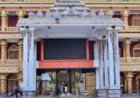


























How to Visit Powell's City of Books Exhibits Portland
How to Visit Powell’s City of Books Exhibits Portland Powell’s City of Books in Portland, Oregon, is more than just a bookstore—it’s a cultural landmark, a literary sanctuary, and a living museum of the written word. Spanning an entire city block, it holds the distinction of being the largest independent new and used bookstore in the world, with over a million books arranged across nine color-code

How to Visit Powells City of Books Exhibits Portland
Powells City of Books in Portland, Oregon, is more than just a bookstoreits a cultural landmark, a literary sanctuary, and a living museum of the written word. Spanning an entire city block, it holds the distinction of being the largest independent new and used bookstore in the world, with over a million books arranged across nine color-coded rooms. But beyond its staggering inventory, Powells also curates rotating exhibits that celebrate authors, literary movements, rare editions, and regional history. These exhibits transform the space from a retail environment into an immersive experience for book lovers, historians, artists, and curious travelers alike.
Visiting Powells City of Books exhibits is not merely about browsing shelvesits about engaging with curated narratives that reveal the deeper connections between literature, culture, and community. Whether youre a lifelong Portland resident or a first-time visitor, understanding how to navigate, appreciate, and maximize your experience of these exhibits can elevate your trip from ordinary to unforgettable. This guide provides a comprehensive, step-by-step roadmap to ensure you dont just visit Powellsyou truly experience it.
Step-by-Step Guide
Planning a visit to Powells City of Books exhibits requires more than showing up and wandering aimlessly. Each exhibit is thoughtfully designed, often time-limited, and integrated into the bookstores architecture. To make the most of your time, follow this detailed sequence of actions.
1. Research Current and Upcoming Exhibits
Before you leave your home, begin by visiting the official Powells City of Books website. Navigate to the Events or Exhibits section, typically found under the About or Community dropdown menus. Here, youll find a calendar of current and upcoming exhibits, including opening dates, featured authors, thematic focus, and any associated events such as author signings or panel discussions.
Many exhibits are seasonal or tied to literary anniversariesfor example, a display honoring the 100th anniversary of Virginia Woolfs A Room of Ones Own might appear in February, while a Pacific Northwest writers showcase could run through the fall. Some exhibits are permanent fixtures, such as the Rare & First Editions room, while others rotate monthly. Always confirm the exhibits status before traveling.
2. Plan Your Visit Around Exhibit Hours
While Powells is open daily from 9 a.m. to 10 p.m. (with slight variations on holidays), exhibit spaces may have different viewing windows. Some installations are only fully accessible during staff-led tours, which typically occur at 11 a.m. and 3 p.m. daily. These tours are free, last approximately 45 minutes, and provide context, hidden details, and historical background you wont find on signage.
For the best experience, aim to arrive between 9:30 a.m. and 10:30 a.m. This allows you to explore the exhibits before the midday rush, when tour groups and school visits increase foot traffic. If youre interested in a specific exhibit, check if it requires timed entrythough rare, high-demand installations occasionally do.
3. Map Your Route Through the Store
One of the biggest mistakes visitors make is entering Powells and immediately diving into the first room they see. The store is organized by color-coded sections: Red for Arts & Music, Blue for Travel, Green for Science & Nature, Yellow for Business & Computing, Purple for Health & Psychology, Orange for Sports, White for Childrens, Gray for Reference, and Brown for Rare & First Editions.
Exhibits are often housed in dedicated alcoves, endcaps, or temporary installations within these zones. For example, a recent exhibit on Oregon poets was displayed in the Poetry section of the Red Room, while a display on the history of science fiction was anchored in the Blue Room near the Travel section. Download or print the official Powells floor map from their website, or pick up a physical copy at the entrance. Mark the locations of current exhibits and plan a logical path through the store to minimize backtracking.
4. Engage with Exhibit Signage and Digital Displays
Each exhibit includes interpretive signage that explains its theme, historical context, and selection criteria. These are not mere labelstheyre mini-essays written by curators, scholars, or local historians. Take time to read them fully. Many include QR codes that link to audio recordings, extended biographies, or digitized versions of the featured texts.
Some exhibits feature interactive digital kiosks. These allow you to browse digitized manuscripts, listen to author interviews, or explore 3D scans of rare book bindings. Dont rush past them. These tools are often the only way to access fragile or restricted materials.
5. Ask Staff for Hidden Gems
Powells employees are among the most knowledgeable booksellers in the world. Many have advanced degrees in literature, history, or library science. Dont hesitate to approach a staff member wearing a name tag and ask, Are there any exhibits or displays you think I shouldnt miss today?
Staff often know about pop-up exhibits not yet listed onlinesuch as a temporary display of zines from a local art collective or a showcase of self-published works from the Pacific Northwest. They may also have access to backroom collections that arent publicly listed but are available for viewing upon request.
6. Document Your Experience
Photography is permitted in most exhibit areas, though flash and tripods are prohibited. Use your phone or camera to capture images of exhibit labels, rare book covers, or unique display arrangements. These serve as both personal mementos and reference tools for future reading.
Consider keeping a small notebook to jot down titles, author names, or quotes that catch your attention. Many visitors return weeks later to purchase books they saw in exhibits but didnt have time to read on-site.
7. Attend Associated Events
Exhibits are often accompanied by events: author readings, book clubs, writing workshops, or film screenings. These are usually held in the Powells Books Event Space on the second floor, accessible via escalator near the Red Room. Events are free to attend unless otherwise noted, but seating is limited. Arrive 1520 minutes early to secure a spot.
Check the event calendar on the website or ask at the information desk. Some events are recorded and made available on Powells YouTube channel, so if you cant attend in person, you can still benefit from the content later.
8. Visit the Gift Shop and Bookstore Caf
Exhibits often inspire themed merchandise. A display on Native American storytelling might feature hand-carved journals or prints by Indigenous artists. A showcase on 1960s counterculture literature might include vintage posters or limited-edition tote bags. These items are not just souvenirsthey extend the exhibits narrative beyond the page.
The Powells Books Caf, located on the second floor, frequently offers exhibit-themed drinks and snacks. For example, during a Hemingway exhibit, you might find The Old Man and the Sea espresso blend or A Moveable Feast dark chocolate croissants. These small touches deepen immersion and create a multisensory experience.
9. Leave a Review or Feedback
After your visit, consider leaving feedback on Powells website or social media. Tell them what exhibit resonated with you, what you learned, or what youd like to see next. This feedback directly influences future curation. Powells actively solicits visitor input and has launched multiple exhibits based on customer suggestions.
10. Return for Future Exhibits
Exhibits at Powells change regularlyoften every 4 to 8 weeks. Even if youve visited recently, returning within a few months ensures youll encounter something new. Set a reminder on your calendar to check the exhibits page quarterly. Many locals make it a tradition to visit Powells every season to see whats new.
Best Practices
Visiting Powells exhibits is a ritual as much as it is a tour. To ensure your experience is respectful, enriching, and sustainable, follow these best practices honed by frequent visitors and staff alike.
Respect the Materials
Many exhibits include fragile, century-old books, handwritten letters, or original manuscripts. Even if a book is behind glass, avoid touching the display case. Condensation from your breath or fingerprints can cause long-term damage. Use the provided magnifying lenses or digital zoom features instead.
Limit Your Time in High-Demand Areas
Popular exhibitssuch as the original manuscript of On the Road or the first edition of The Catcher in the Ryeoften draw large crowds. If youre not actively engaging with the exhibit (reading, photographing, reflecting), move along after 57 minutes to allow others space. This ensures equitable access for all visitors.
Support the Exhibits by Purchasing
Many exhibits are funded through book sales. If a display features a collection of feminist poetry, consider purchasing one of the titles. If it showcases a local historians work, buy their book. Your purchase directly supports the continuation of these cultural programs. Powells donates a portion of exhibit-related sales to local literary nonprofits.
Dont Assume All Books Are for Sale
Some items on display are part of Powells archival collection and are not for sale. These are clearly marked with Archival Only or Non-Commercial labels. Never ask to purchase these itemsthey are preserved for research and public education.
Be Mindful of Noise Levels
Powells is a space for quiet contemplation. Even in bustling areas, keep conversations low and avoid loud phone calls. Use headphones for audio content. This preserves the atmosphere that makes Powells feel like a cathedral of literature.
Engage with the Community
Look for fellow visitors who seem engaged with an exhibit. A simple Have you read this one? or What did you think of the curators note? can spark meaningful conversations. Powells is a place where strangers often become literary companions.
Bring a Reusable Bag
With so many books to potentially carry, bring a sturdy tote or backpack. Powells sells reusable bags, but theyre often sold out by afternoon. Bringing your own reduces waste and makes carrying your purchases easier.
Plan for the Long Haul
Its easy to underestimate the size of Powells. The store spans 68,000 square feet. Even a focused exhibit tour can take 23 hours. Wear comfortable shoes. Bring water. Take breaks on the second-floor benches overlooking the Red Room. Dont try to see everything in one visitfocus on depth over breadth.
Follow Powells on Social Media
Instagram, Facebook, and Twitter are regularly updated with behind-the-scenes looks at exhibit installations, sneak peeks, and staff picks. Following these channels keeps you informed of last-minute changes or special access opportunities.
Visit During Off-Peak Seasons
Summer and holiday weekends are the busiest. For a quieter, more reflective experience, visit during late January, early February, or mid-September. The lighting is softer, the crowds are thinner, and staff have more time to engage with visitors.
Teach Others
If youre visiting with friends or family, take on the role of guide. Explain why certain books are significant, share what you learned from the signage, or point out connections between exhibits. Teaching deepens your own understanding and helps preserve the cultural value of these displays.
Tools and Resources
Maximizing your visit to Powells City of Books exhibits requires more than curiosityit requires the right tools and resources. Below is a curated list of digital and physical aids that enhance your experience.
Official Powells Website
www.powells.com is your primary resource. It includes the full exhibit calendar, event schedule, floor map, staff recommendations, and a searchable database of all books in stockincluding those featured in exhibits. Use the Exhibits tab to filter by date, theme, or author.
Mobile App: Powells Books
The official Powells app (available on iOS and Android) allows you to scan ISBNs of books you see in exhibits to check availability, pricing, and related titles. It also includes a digital map with exhibit markers and push notifications for upcoming events.
Google Arts & Culture: Powells Collection
Google partnered with Powells to digitize select rare books and exhibit materials. Visit Google Arts & Cultures Powells page to explore high-resolution scans of first editions, marginalia, and handwritten drafts you may not see in person.
Local Literary Guides
Books like Portlands Literary Landmarks by Jane E. Smith and The Book Lovers Guide to Portland by Marcus L. Chen offer detailed walking tours that include Powells exhibits, historical context, and nearby literary sites such as the Oregon Historical Society and the Writers Guild.
Podcasts
Listen to the Powells Bookmarks podcast, hosted by staff booksellers. Each episode explores a current exhibit, interviews curators, and recommends related reading. Episodes are available on Spotify, Apple Podcasts, and the Powells website.
Library of Congress Digital Archive
Many exhibits feature authors or texts also held in the Library of Congress. Use their free digital archive (loc.gov) to access primary sources, letters, and photographs related to exhibit themes.
Goodreads Groups
Join the Powells City of Books Readers group on Goodreads. Members share photos of exhibits, discuss featured titles, and coordinate group visits. Its an excellent way to connect with fellow enthusiasts and get real-time updates.
Local Public Transit App: TriMet
Powells is easily accessible via public transit. Use the TriMet app to plan your route. The
6, #12, and #14 buses stop within two blocks. The Portland Streetcars A Loop also stops at the intersection of 10th and Washington, just outside the store.
Printed Floor Map
While digital maps are useful, the physical map available at the entrance is indispensable. It includes not only exhibit locations but also restroom access, elevators, seating areas, and emergency exits. Take one when you enter.
Journaling Tools
Bring a small notebook and pen. Many visitors keep Exhibit Journals, documenting titles, quotes, and personal reflections. Some even sketch the layout of displays. This practice enhances memory retention and turns your visit into a creative exercise.
Audio Guide (On Request)
While Powells doesnt offer a traditional audio guide, you can request a curated audio playlist for your visit. Email info@powells.com with your interests (e.g., 19th-century American poetry, Oregon writers, rare sci-fi) and theyll send you a list of recommended exhibits paired with relevant audio interviews and readings.
Real Examples
Understanding how exhibits are curated and experienced becomes clearer through real-world examples. Below are three recent exhibits at Powells City of Books, each illustrating different approaches to literary curation.
Example 1: The Portland Zine Archive: Voices from the Underground (2023)
This exhibit featured over 200 handmade zines from 1985 to 2020, created by Portland-based artists, activists, and poets. Organized thematicallyQueer Voices, Environmental Justice, DIY Musicthe exhibit included original typewritten pages, photocopied layouts, and audio recordings of zine creators reading aloud.
Visitors could sit at a table and browse zines with gloves provided. A digital kiosk allowed users to upload their own zine ideas, which were displayed on a live wall. The exhibit culminated in a community zine-making workshop, where attendees created their own mini-zines using provided materials.
Impact: Over 8,000 visitors engaged with the exhibit. Ten zines were acquired for Powells permanent collection. The exhibit sparked a local zine festival and inspired a university course on grassroots publishing.
Example 2: The Lost Libraries of the Pacific Northwest (2022)
This immersive exhibit reconstructed three historic libraries from Oregon and Washington that were lost to fire, flood, or neglect. Using archival photographs, salvaged book spines, and reconstructed shelving, visitors walked through rooms representing the Oregon Literary Society (1872), the Astoria Book Club (1901), and the Seattle Workers Library (1919).
Each space included audio narration from descendants of the original librarians. A centerpiece was a reconstructed reading chair where visitors could sit and read facsimiles of books that once filled the shelves. The exhibit also featured a Memory Wall, where visitors wrote notes about libraries they remembered or lost.
Impact: The exhibit was featured in Smithsonian Magazine and led to the restoration of the Astoria Book Clubs original ledger, now on display at the Oregon Historical Society.
Example 3: Marginalia: The Hidden Conversations in Books (2024)
One of Powells most popular exhibits to date, this collection showcased over 50 books with handwritten notes in the marginsby students, scholars, lovers, and rebels. One copy of Walden contained annotations by a 1940s Oregon schoolteacher; another copy of 1984 had political commentary from a 1970s anti-war protester.
Each book was displayed under magnifying glass lighting, with a QR code linking to a transcription and analysis by a literature professor. Visitors could submit their own marginalia via an online portal, which was displayed in a rotating digital gallery on the third floor.
Impact: The exhibit went viral on TikTok, with users sharing photos of their own annotated books. Powells received over 3,000 submissions and published a companion anthology titled What We Leave Behind, with proceeds benefiting literacy nonprofits.
FAQs
Do I need to pay to see the exhibits at Powells City of Books?
No. Entry to Powells City of Books and all its exhibits is completely free. There is no admission fee, and no ticket is required. Exhibits are included with your visit to the store.
How often do the exhibits change?
Exhibits rotate every 4 to 8 weeks. Permanent installations, such as the Rare & First Editions room, remain unchanged, but temporary exhibits are refreshed regularly. Check the website monthly for updates.
Can I take photos of the exhibits?
Yes, personal photography is allowed for non-commercial use. Flash, tripods, and selfie sticks are prohibited to protect the books and maintain a quiet atmosphere.
Are the exhibits accessible to people with disabilities?
Yes. Powells is fully ADA-compliant, with elevators, wheelchair-accessible pathways, and tactile signage. Audio descriptions and large-print guides are available upon request at the information desk.
Can I bring my children to the exhibits?
Absolutely. Many exhibits are family-friendly, especially those in the White Room (Childrens Books) and those focused on illustrated works or graphic novels. Staff can recommend age-appropriate exhibits upon request.
What if I miss an exhibit? Can I see it later?
Some exhibits are documented online through the Google Arts & Culture partnership or on Powells YouTube channel. Others are archived in the stores digital collection. Contact info@powells.com to inquire about access to past exhibits.
Are there guided tours of the exhibits?
Yes. Free guided tours run daily at 11 a.m. and 3 p.m. and last about 45 minutes. No reservation is required, but arrive 10 minutes early to meet the guide near the Red Room entrance.
Can I suggest an exhibit idea?
Yes. Powells actively welcomes visitor suggestions. Submit your idea via the Suggest an Exhibit form on their website or email curatorial@powells.com with your concept, theme, and why it matters.
Do exhibits ever travel to other locations?
Occasionally. Powells partners with museums and universities to loan exhibit materials. For example, the Marginalia exhibit traveled to the University of Oregon and the Seattle Public Library in 2024. Follow their social media for announcements.
Is there a way to support the exhibits financially?
Yes. You can donate directly to the Powells Books Foundation, which funds exhibit development, educational programming, and rare book preservation. Visit the Support Us section of their website for details.
Conclusion
Visiting Powells City of Books exhibits is not a passive activityits an act of cultural participation. Each exhibit is a carefully woven tapestry of history, voice, and memory, inviting you not only to observe but to reflect, connect, and contribute. Whether youre drawn to the quiet reverence of a 17th-century folio or the vibrant chaos of a zine archive, Powells offers a space where books become more than objectsthey become conversations.
By following the steps outlined in this guideresearching ahead, navigating thoughtfully, engaging respectfully, and returning oftenyou transform a simple bookstore visit into a meaningful literary pilgrimage. You become part of the story Powells continues to write, one exhibit at a time.
Portland may be known for its rain, its coffee, and its bridgesbut its soul is found in the quiet corners of Powells City of Books, where the past whispers through ink and paper, and the future is waiting to be read.