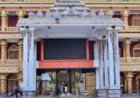


























How to Stargaze at OMSI Planetarium Portland
How to Stargaze at OMSI Planetarium Portland Stargazing is one of humanity’s oldest and most profound connections to the cosmos. Whether you’re drawn to the quiet wonder of a star-filled sky or the scientific curiosity behind celestial mechanics, experiencing the night sky firsthand is a transformative experience. For residents and visitors in Portland, Oregon, the OMSI Planetarium offers a unique

How to Stargaze at OMSI Planetarium Portland
Stargazing is one of humanitys oldest and most profound connections to the cosmos. Whether youre drawn to the quiet wonder of a star-filled sky or the scientific curiosity behind celestial mechanics, experiencing the night sky firsthand is a transformative experience. For residents and visitors in Portland, Oregon, the OMSI Planetarium offers a uniquely accessible and immersive gateway to the universe without requiring you to leave the city. Unlike traditional outdoor stargazing, which depends on weather, light pollution, and equipment, the OMSI Planetarium delivers a controlled, educational, and breathtaking simulation of the night sky, tailored for all ages and knowledge levels. This guide provides a comprehensive, step-by-step walkthrough on how to stargaze at the OMSI Planetarium in Portland, including best practices, essential tools, real examples, and frequently asked questions to ensure your visit is not just informative, but unforgettable.
Step-by-Step Guide
Stargazing at the OMSI Planetarium is not simply about sitting in a dome and watching stars move. Its an interactive, curated journey through space and time, designed to deepen your understanding of astronomy while offering the visual splendor of the cosmos. Follow this detailed, seven-step process to maximize your experience.
Step 1: Plan Your Visit in Advance
The OMSI Planetarium operates on a scheduled show format, with multiple daily presentations varying by season and day of the week. Unlike public observatories, you cannot walk in and view the sky spontaneously. Begin by visiting the official OMSI website (omsi.edu) and navigating to the Planetarium section. Here, youll find the current show schedule, including titles, durations, and age recommendations. Popular shows such as Black Holes: The Other Side of Infinity or Journey to the Stars are often booked weeks in advance, especially on weekends and during school breaks. Reserve your tickets online at least 48 hours ahead to guarantee entry. Avoid arriving on the day of the show without a reservation capacity is limited and walk-up availability is rare.
Step 2: Choose the Right Show for Your Goals
Not all planetarium shows are created equal. Some focus on mythology and cultural interpretations of the stars, while others dive into astrophysics, exoplanet discoveries, or the life cycle of galaxies. If your goal is to learn how to identify constellations, select a show like Sky Tonight or Night Sky, which are updated monthly to reflect the current positions of planets, the Moon, and prominent stars visible from Portland. For families with young children, Dinosaurs Alive! or The Magic of the Moon offer engaging narratives. Advanced enthusiasts should look for shows featuring real data from NASA missions, such as Mission to Mars or Cosmic Collisions. Read the show descriptions carefully they often include keywords like live?? (live?? means live??), real-time sky simulation, or interactive Q&A, which indicate a more hands-on experience.
Step 3: Arrive Early and Explore the Exhibits
Plan to arrive at least 30 minutes before your scheduled show. The OMSI campus features dozens of interactive science exhibits, many of which complement planetary science. Visit the Science Playground for tactile demonstrations of gravity and motion, or the WaterWorks exhibit to understand fluid dynamics concepts that underpin stellar formation. The Lightning and Electricity exhibits help contextualize the energy output of stars. Exploring these areas before your show enhances your appreciation of the planetarium presentation. Additionally, arriving early allows you to use restrooms, purchase snacks, and find your seat without rushing. The planetarium theater seats are assigned on a first-come, first-served basis within your ticket tier, so early arrival ensures better viewing positions.
Step 4: Understand the Planetarium Technology
The OMSI Planetarium uses a state-of-the-art Digistar 7 projection system, capable of rendering over 10 million stars with photorealistic accuracy. Unlike older systems that relied on mechanical projectors, Digistar 7 uses high-resolution digital laser projectors and real-time astrophysical databases to simulate the sky as it appears from any point on Earth past, present, or future. During your show, you may notice the stars shift slightly as the narrator moves your virtual location from Portland to the South Pole or even to the surface of Mars. This isnt a special effect its accurate celestial navigation powered by NASA and ESA datasets. Pay attention to cues like Tonight in Portland, Jupiter rises at 9:17 PM these are real astronomical events you can later observe with your own eyes.
Step 5: Engage During the Presentation
One of the most valuable aspects of the OMSI Planetarium experience is the opportunity for live interaction. Many shows include a live host a trained astronomer or educator who can answer questions in real time. Dont hesitate to raise your hand if youre curious about why a particular star twinkles, how black holes form, or what the Northern Lights look like from space. The host can adjust the simulation on the fly to demonstrate your question. For example, if you ask, Why does Orion look different in winter? the host can fast-forward the simulation to show how Earths position in its orbit changes our view of the constellations. This interactivity transforms passive watching into active learning.
Step 6: Take Notes and Ask for a Star Map
Bring a small notebook and pen. During the show, note down key celestial events mentioned: star names, planetary positions, meteor shower dates, or lunar phases. After the show, visit the OMSI gift shop and request a free monthly sky map available at the front desk or as a downloadable PDF from their website. These maps, created by OMSIs astronomy team, show exactly which constellations, planets, and deep-sky objects are visible from Portland each month. Use them to cross-reference what you saw in the planetarium with what you can observe outdoors later. Many visitors return to the planetarium monthly to track how the sky changes a practice that builds long-term astronomical literacy.
Step 7: Extend Your Experience with Outdoor Stargazing
One of the most rewarding outcomes of a planetarium visit is the motivation to stargaze in person. After your show, use the knowledge gained to head to a nearby dark-sky location. OMSI often partners with local astronomy clubs to host After the Show events check their calendar for free public observing nights at nearby parks like Forest Park or the Columbia River Gorge. Bring a red-light flashlight (to preserve night vision), a blanket, and your star map. Within days of your visit, youll be able to locate Venus, Mars, or the Pleiades cluster with confidence. The planetarium doesnt just show you the sky it teaches you how to read it.
Best Practices
To ensure your stargazing experience at the OMSI Planetarium is as enriching and memorable as possible, adopt these proven best practices. These tips are based on feedback from thousands of visitors, educator recommendations, and decades of planetarium science communication.
Choose Weekday Evenings for Fewer Crowds
While weekends offer more showtimes, they also attract the largest crowds. For a more intimate, immersive experience, book a weekday evening show Tuesday through Thursday at 7:00 PM or 8:30 PM are typically the least crowded. Smaller audiences mean more opportunities for interaction with the host, quieter acoustics, and less distraction during the immersive sequences. Families with children may find weekend shows more convenient, but adults seeking quiet contemplation will appreciate the weekday tranquility.
Dress for Comfort, Not Fashion
The planetarium theater is kept cool around 65F (18C) to preserve equipment and ensure audience comfort during extended dark periods. Wear layers: a light sweater or jacket is ideal. Avoid wearing white or bright-colored clothing, as reflective materials can distract others during the darkened show. Comfortable, closed-toe shoes are recommended, especially if you plan to explore the museum afterward. Remember: youll be sitting still for 4560 minutes, so prioritize comfort over style.
Turn Off All Electronic Devices
Even the faint glow of a smartphone screen can disrupt the immersive experience for you and others. Before entering the theater, power down your phone or switch it to airplane mode. If you must use it for navigation or photos after the show, wait until youre outside the theater. Many visitors report that the first few minutes of the show when the lights dim and the stars begin to appear are among the most emotionally powerful moments of their lives. Dont let a notification ruin that.
Arrive with an Open Mind
Some visitors come expecting a Hollywood-style space spectacle. Others come seeking dry academic lectures. The OMSI Planetarium strikes a perfect balance: scientifically rigorous, visually stunning, and emotionally resonant. Allow yourself to be awed. Dont worry if you dont understand every term the show is designed to be accessible. Focus on the feeling of being suspended in space, surrounded by ancient light. Thats the real goal of stargazing: wonder.
Bring a Journal for Reflection
After your show, take 10 minutes to sit quietly and write down what moved you. Did a particular constellation remind you of a childhood memory? Did learning about the scale of the universe make you feel small or connected? Journaling deepens the experience and creates a personal record of your astronomical journey. Many visitors return to their journals years later, tracing how their understanding of the cosmos has evolved.
Bring Children with Age-Appropriate Expectations
Children under 5 may find the dark environment and prolonged silence challenging. Shows labeled All Ages or Family Friendly are ideal for younger viewers. For children aged 612, the planetarium offers pre-show activity kits (available at the front desk) with star-finding games and constellation bingo cards. These tools keep young minds engaged and turn the show into a treasure hunt. Avoid bringing infants or toddlers unless the show is explicitly designated for Tiny Astronomers a special monthly program designed for babies and toddlers with sensory-friendly lighting and sound levels.
Use the Planetarium as a Springboard, Not a Destination
The most successful stargazers dont stop at the planetarium. Use what you learn as a foundation for outdoor observation. Join local astronomy groups like the Portland Astronomical Society or follow OMSIs social media for monthly sky alerts. Download free apps like Stellarium or SkySafari to practice identifying stars you learned about. The planetarium is the classroom your backyard is the laboratory.
Tools and Resources
Maximizing your stargazing experience at OMSI requires more than just a ticket. The right tools and resources turn a single visit into a lifelong passion. Below is a curated list of essential tools, both digital and physical, recommended by OMSI educators and veteran stargazers.
Essential Digital Tools
- Stellarium Web A free, browser-based planetarium that simulates the night sky from any location on Earth. Use it to preview what youll see in the OMSI show. Set your location to Portland and adjust the date/time to match your show.
- SkySafari 7 A premium app ($19.99) that uses your phones GPS and compass to overlay real-time star positions on your camera view. Ideal for post-planetarium outdoor exploration.
- NASAs Eyes A suite of 3D visualizations of solar system missions, including real-time data from the James Webb Space Telescope. Use this to explore the objects mentioned in shows like Journey to the Stars.
- TimeandDate.com Provides accurate rise/set times for the Sun, Moon, and planets in Portland. Cross-reference this with what the planetarium host mentions to validate your learning.
- OMSI Planetarium App Download the official OMSI app for push notifications about show changes, special events, and member-only preview nights.
Essential Physical Tools
- Red-Light Flashlight Preserves your night vision when reading star maps or navigating after dark. OMSI sells compact, rechargeable models in their gift shop.
- Monthly Sky Map (Free) Available at the front desk or online. Updated by OMSIs astronomy team to reflect current celestial events.
- Star Wheel (Planisphere) A simple, mechanical device that rotates to show which stars are visible on any date and time. Great for beginners. Available at local bookstores or online for under $15.
- Journal and Pen Non-negotiable. Record observations, questions, and emotions. A physical notebook is more reliable than digital notes during power outages or app crashes.
- Blanket or Reclining Chair For outdoor follow-up sessions. A low, reclining chair allows you to look straight up without neck strain.
Recommended Reading
Deepen your understanding with these accessible, well-reviewed books:
- The Sky is Not the Limit by Dr. Neil deGrasse Tyson A compelling narrative on how astronomy connects us to the universe.
- Turn Left at Orion by Guy Consolmagno and Dan M. Davis A practical guide to finding 100+ celestial objects with binoculars or small telescopes perfect for after your OMSI visit.
- Astronomy: A Self-Teaching Guide by Dinah L. Moch A step-by-step textbook for self-learners, ideal for those who want to go beyond the show.
- The Stars: A New Way to See Them by H.A. Rey Famous for its whimsical constellation illustrations that make star patterns easy to remember.
Online Communities
Connect with fellow enthusiasts:
- Reddit: r/Astronomy A vibrant community where users share photos, ask questions, and discuss upcoming events.
- Facebook: Portland Astronomy Group Local group that organizes monthly star parties and telescope viewings.
- OMSI Members Forum Exclusive to OMSI members; features early access to show previews and live Q&As with visiting scientists.
Real Examples
Understanding how others have used the OMSI Planetarium to enhance their stargazing journey can provide inspiration and practical insight. Below are three real-life examples from visitors each with different goals, backgrounds, and outcomes.
Example 1: Maria, Age 8 First-Time Stargazer
Marias parents signed her up for the Family Night Sky show after she asked, Why do stars twinkle? The show featured a live host who used the Digistar system to zoom in on the Moon, showing its craters in real time. Maria learned that the Moon doesnt produce its own light it reflects the Suns. After the show, she received a free star map and a glow-in-the-dark constellation sticker. That weekend, she and her dad went to Powell Butte Nature Park with the map and found Orions Belt. She drew a picture of it in her journal and wrote, I found the three stars in the sky. Theyre real. Two months later, she gave a 5-minute presentation to her class about the Moon. The planetarium didnt just teach her facts it gave her confidence.
Example 2: James, Age 42 Returning to Astronomy After 20 Years
James hadnt looked at the stars since college, when he dropped his astronomy minor. After seeing a social media post about OMSIs Black Holes show, he decided to go. He was stunned by the realism of the simulation seeing how gravity bends light around a black hole, as confirmed by the Event Horizon Telescopes 2019 image. He took notes, downloaded Stellarium, and began reading Turn Left at Orion. Within a year, he bought his first telescope and joined the Portland Astronomical Society. He now leads monthly observing nights at OMSIs partner sites. The planetarium didnt just show me the sky, he says. It reminded me why I fell in love with science in the first place.
Example 3: The Chen Family Multigenerational Learning
The Chens grandparents, parents, and two grandchildren visited the Journey to the Stars show together. The grandparents, born in China, remembered stories of the Seven Sisters (Pleiades) from their childhood. The show explained the clusters scientific significance and how its visible from both hemispheres. The grandchildren learned how stars die. After the show, the family sat in silence for ten minutes, looking up at the night sky from their backyard. The grandmother pointed to Vega and said, Thats the same star my grandmother told me about. The planetarium became a bridge between generations a place where myth, memory, and science converged.
Example 4: High School Astronomy Club Group Field Trip
A Portland high school teacher organized a field trip for her AP Environmental Science class. The students watched Cosmic Collisions and then participated in a post-show workshop where they analyzed real asteroid impact data from NASA. They used the knowledge to design a climate resilience plan for their city, factoring in the rare but possible threat of meteor strikes. Their project won first place at the Oregon Science Fair. The teacher later wrote: The planetarium didnt just teach astronomy. It taught systems thinking, collaboration, and the relevance of science to daily life.
FAQs
Do I need to know anything about astronomy before visiting the OMSI Planetarium?
No prior knowledge is required. The shows are designed for all levels from complete beginners to seasoned enthusiasts. The hosts tailor their explanations to the audience, and show descriptions clearly indicate the complexity level. If youre unsure, choose a show labeled All Ages or Family Friendly.
Can I bring my own telescope to the planetarium?
Telescopes are not permitted inside the planetarium theater. The environment is designed for immersive projection, and equipment can interfere with the system. However, OMSI hosts monthly Telescope Nights in the parking lot after evening shows, where members can view the actual night sky through professional-grade instruments. Check the calendar for details.
Are the shows different every time I visit?
Yes. While some flagship shows (like Black Holes) run for months, OMSI updates its Sky Tonight and Night Sky programs monthly to reflect the current positions of planets, lunar phases, and seasonal constellations. Even if youve seen a show before, returning after a few months will reveal new content.
Is the planetarium accessible for people with disabilities?
Yes. The theater is wheelchair accessible, and companion seating is available. Audio description and closed captioning are provided for most shows upon request simply notify the front desk when booking. Sensory-friendly versions of select shows are offered monthly for neurodiverse guests.
Can I take photos or videos during the show?
Photography and video recording are prohibited during the show to preserve the experience for all guests and protect the integrity of the projection system. You may take photos in the museum areas before or after the show. The OMSI gift shop sells professional-quality prints and posters of the night sky.
How long does a typical planetarium show last?
Most shows run between 45 and 60 minutes, including a brief introduction and Q&A. Plan to spend 90120 minutes total at the facility, including time to explore exhibits and use restrooms.
Is the OMSI Planetarium suitable for toddlers?
Children under 3 are not recommended for regular shows due to the dark environment and extended silence. However, OMSI offers a monthly Tiny Astronomers program for infants and toddlers, featuring soft lighting, gentle sounds, and interactive play based on space themes. Registration is required.
Can I get a refund if I cant attend my reserved show?
OMSI does not offer refunds, but tickets are transferable. You may give your ticket to someone else or request to reschedule your visit to another date within 30 days, subject to availability. Contact the box office directly for assistance.
Do I need to be an OMSI member to visit the planetarium?
No, membership is not required. However, members receive discounted ticket prices, early access to new shows, and free admission to the planetarium on select days. Membership also supports the museums educational outreach programs.
What if I want to become an astronomer after my visit?
OMSI offers youth programs, internships, and college-level workshops for aspiring astronomers. Visit their Education page to explore programs like AstroCamp, Teen Astronomy Club, or the Science Ambassador Program. Many former visitors have gone on to study astrophysics at universities across the country.
Conclusion
Stargazing at the OMSI Planetarium in Portland is more than an educational outing its a portal to the universe. In a world increasingly dominated by screens and noise, the planetarium offers a rare sanctuary: a quiet, darkened dome where the only sounds are the narrators voice and the whisper of stars older than Earth. It demystifies the cosmos without diluting its majesty. Whether youre a child seeing Orion for the first time, a parent rediscovering wonder, or a lifelong learner seeking deeper understanding, the OMSI Planetarium meets you where you are and guides you further.
The tools, practices, and resources outlined in this guide are not just tips theyre invitations. An invitation to look up. To question. To connect. To remember that we are made of stardust, and that the same light that danced across the dome tonight has traveled for centuries to reach your eyes.
Plan your visit. Choose your show. Arrive early. Ask questions. Take notes. Then, go outside. Look up. And know that what you saw inside was only the beginning.