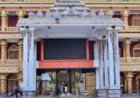


























How to Join Art Class at Portland Art Museum Portland
How to Join Art Class at Portland Art Museum Portland The Portland Art Museum, one of the oldest and most respected art institutions on the West Coast, offers a vibrant and diverse array of art classes designed for learners of all ages and skill levels. Whether you’re a complete beginner eager to explore your first brushstroke or an experienced artist seeking to refine your technique, the museum’s

How to Join Art Class at Portland Art Museum Portland
The Portland Art Museum, one of the oldest and most respected art institutions on the West Coast, offers a vibrant and diverse array of art classes designed for learners of all ages and skill levels. Whether youre a complete beginner eager to explore your first brushstroke or an experienced artist seeking to refine your technique, the museums art education programs provide a rich, immersive environment grounded in cultural context, historical insight, and hands-on practice. Joining an art class at the Portland Art Museum is more than enrolling in a lessonits an opportunity to connect with a community of creatives, engage with original artworks from global traditions, and deepen your understanding of visual language in a world-class setting. This guide walks you through every step of the process, from identifying the right class to preparing for your first session, ensuring you make the most of this transformative experience.
Step-by-Step Guide
Joining an art class at the Portland Art Museum is a straightforward process, but attention to detail ensures a smooth and rewarding experience. Follow these seven essential steps to secure your place in a class that aligns with your goals and schedule.
Step 1: Explore the Museums Education Programs
Begin by visiting the official Portland Art Museum website and navigating to the Education or Classes & Workshops section. Here, youll find a comprehensive calendar of offerings categorized by age group, medium, and skill level. Programs range from childrens summer camps and teen studio sessions to adult courses in painting, drawing, printmaking, ceramics, and digital art. The museum also offers specialized workshops tied to current exhibitions, allowing participants to respond directly to the artworks on view. Take time to browse through descriptions, learning objectives, and instructor bios to identify classes that resonate with your interests.
Step 2: Determine Your Skill Level and Goals
Before registering, reflect on your artistic background and what you hope to achieve. Are you seeking foundational skills in composition and color theory? Do you want to experiment with new materials like watercolor or clay? Are you looking to build a portfolio or simply enjoy creative expression in a supportive environment? The museums classes are clearly labeled as Beginner, Intermediate, or Advanced, helping you choose appropriately. If youre unsure, consider starting with a beginner courseeven experienced artists often benefit from revisiting fundamentals in a new context.
Step 3: Check Class Availability and Schedule
Art classes at the Portland Art Museum typically run in multi-week sessions, often lasting 4 to 8 weeks, with meetings once or twice per week. Sessions are offered during weekday evenings, weekends, and summer months to accommodate various schedules. Note the start and end dates, meeting times, and total hours of instruction. Some popular classes fill quickly, especially during peak seasons like summer and the holiday period, so plan ahead. Use the museums online calendar to filter by day, time, and medium to find the best fit.
Step 4: Review Pricing and Membership Benefits
Class fees vary depending on duration, materials included, and instructor expertise. Most adult classes range from $120 to $350, while youth and teen programs are often priced lower. Museum members receive discounted ratestypically 10% to 20% offmaking membership a cost-effective choice if you plan to attend multiple classes or visit the galleries regularly. Membership also includes free general admission, exclusive previews, and invitations to member-only events. If youre unsure whether to join, compare the cost of a single class with the annual membership fee to determine long-term value.
Step 5: Register Online
Registration is handled exclusively through the museums secure online portal. Once youve selected a class, click the Register button to proceed. Youll be asked to create an account (if you dont already have one) using your name, email, and contact details. During checkout, youll be prompted to provide emergency contact information and any relevant medical or accessibility needs. Payment is processed via credit or debit card, and youll receive an automated confirmation email with your receipt, class details, and a link to a pre-class orientation guide. Keep this email handyit contains important information about location, parking, and what to bring.
Step 6: Prepare for Your First Session
Most classes require minimal supplies, as the museum provides core materials such as paints, brushes, canvases, and clay. However, some courses may ask you to bring specific items like sketchbooks, aprons, or personal tools. Review the What to Bring section in your confirmation email. Wear comfortable clothing that can get messyart is a tactile experience. Arrive 10 to 15 minutes early for your first class to complete any remaining paperwork, meet your instructor, and familiarize yourself with the studio space. Many studios are located in the museums Education Wing, which is clearly marked and accessible from the main lobby.
Step 7: Engage and Follow Up
Participation is key to growth. Ask questions, share your work respectfully, and observe the techniques of your peers. Instructors often provide feedback during class and may suggest additional resources or upcoming exhibitions relevant to your interests. After completing a course, consider joining the museums alumni network, which occasionally hosts open studio nights and group critiques. You can also sign up for the museums education newsletter to stay informed about new class offerings, guest artists, and scholarship opportunities.
Best Practices
Maximizing your experience in a Portland Art Museum art class requires more than showing upit demands intention, openness, and consistency. Adopting these best practices will enhance your learning, foster meaningful connections, and help you grow as an artist.
Consistency Over Intensity
Artistic development thrives on regular practice. Attending every sessioneven if you feel uninspired on a given dayis more valuable than sporadic bursts of effort. Each class builds on the previous one, and missing even one session can create gaps in technique or conceptual understanding. Treat your class like a commitment to your personal growth, not just a recreational activity.
Bring a Sketchbook Everywhere
Many instructors encourage students to keep a sketchbook for daily observations, quick studies, and idea generation. Carry it with you on walks, commutes, or during quiet moments. Sketching the world around youpeople, architecture, naturebuilds visual literacy and strengthens your ability to translate what you see into art. Your sketchbook becomes a personal archive of inspiration that complements your formal coursework.
Engage with the Collection
The Portland Art Museum houses over 42,000 objects spanning 5,000 years of global art history. Use your class as a springboard to explore the permanent collection and special exhibitions. Many courses are designed to respond directly to artworks on view. Take time before or after class to study pieces related to your mediumwhether its Japanese woodblock prints for printmaking students or abstract expressionist works for painters. This contextual learning deepens your appreciation and informs your own creative decisions.
Ask for Feedback, Then Reflect
Constructive critique is a cornerstone of art education. When your instructor offers suggestions, listen without defensiveness. Ask clarifying questions: What aspect of the composition felt unbalanced? or How could I better convey texture? After receiving feedback, spend time alone reflecting on it. Try implementing one suggestion per week. Over time, youll develop a critical eye that guides your work independently.
Collaborate with Peers
Art classes are communities. Form study groups with classmates to share resources, discuss exhibitions, or practice outside of class hours. Many participants become lifelong creative allies. Dont hesitate to exchange contact information or join the museums social media groups for alumni. Shared experiences amplify learning and create lasting support networks.
Document Your Progress
Take photos of your work at the beginning, middle, and end of each course. Comparing early pieces to later ones reveals growth you might not notice day-to-day. This visual journal is invaluable for tracking improvement, building confidence, and preparing portfolios for future applicationswhether to advanced classes, galleries, or art schools.
Respect Studio Etiquette
Art studios are shared spaces. Clean up your workspace after each session. Return tools to their designated areas. Be mindful of noise levels and personal boundaries. These small acts of respect contribute to a positive, productive environment for everyone.
Tools and Resources
Success in your art class is enhanced by leveraging both institutional and external tools. The Portland Art Museum provides key resources, but supplementing with trusted external platforms can broaden your artistic horizons.
Museum-Provided Resources
The museums Education Department offers a digital resource hub accessible to enrolled students. This includes downloadable handouts on color theory, composition, and material care; video tutorials demonstrating techniques covered in class; and curated reading lists featuring essays by artists and critics. Youll receive login credentials upon registration. Additionally, museum staff can recommend specific gallery tours that align with your class themejust ask at the Education Desk.
Recommended External Tools
For digital sketching and planning, consider apps like Procreate (for iPad) or Adobe Fresco. Both offer intuitive brushes and layering tools ideal for experimenting before committing to physical media. For foundational knowledge, books such as The New Drawing on the Right Side of the Brain by Betty Edwards and Color and Light by James Gurney are widely recommended by instructors. Online platforms like Skillshare and YouTube host free, high-quality tutorials on specific techniquesfrom watercolor washes to ceramic glazingthat can reinforce what you learn in class.
Material Kits and Discounts
While most materials are provided, you may wish to invest in personal tools. The museum partners with local art supply stores like Blick Art Materials and Portland Art Supply to offer student discounts. Present your class confirmation email to receive 15% off select items. These partnerships make it easier to build a personal toolkit without overspending.
Accessibility Tools
The Portland Art Museum is committed to inclusive education. All studios are wheelchair accessible, and adaptive tools are available upon requestincluding grip aids, elevated work surfaces, and large-print handouts. If you have sensory sensitivities, notify the education team in advance; they can arrange for a quiet workspace or adjusted lighting. Sign language interpreters can be scheduled for classes with advance notice.
Portfolio and Documentation Tools
As you progress, consider using platforms like Behance or Instagram to share your work with a wider audience. Many students use these platforms to document their journey, receive feedback from other artists, and even attract opportunities for exhibitions or commissions. For more formal portfolio development, the museum occasionally hosts free workshops on digital portfolio creation using Adobe Portfolio or Squarespacecheck the events calendar.
Real Examples
Real stories from past participants illustrate the transformative impact of art classes at the Portland Art Museum. These examples highlight diverse motivations, outcomes, and pathwaysoffering inspiration and insight.
Example 1: Maria, Retired Teacher, Beginner Watercolorist
Maria, 68, enrolled in Watercolor Landscapes: From Observation to Expression after retiring from a 40-year teaching career. She had always loved art but never had time to pursue it. I wanted to learn how to see again, she said. In her first class, she struggled with mixing colors and capturing depth. But by week four, she painted a watercolor of the Japanese Garden at the museums campusher instructor hung it in the student showcase. I didnt expect to feel this alive, Maria shared. She now attends monthly open studio nights and volunteers to lead art circles for other seniors in her community.
Example 2: Jamal, High School Senior, Aspiring Illustrator
Jamal, 17, took Graphic Storytelling: Comics and Sequential Art during his junior year. He was shy about his drawings but found the classs emphasis on narrative structure empowering. He created a 12-panel comic about his immigrant familys journey to Portland. His instructor submitted it to the museums Youth Art Show, where it won first place. Jamal used the recognition to build his portfolio and was accepted into the Rhode Island School of Design. He still returns to the museum to attend artist talks and mentor new students.
Example 3: Priya, Professional Designer, Exploring Ceramics
Priya, a UX designer in her mid-30s, signed up for Hand-Building Ceramics to disconnect from screens and reconnect with tactile creativity. My job is all about efficiency, she explained. Ceramics taught me patience. She spent eight weeks learning coiling, slab construction, and glaze application. Her final piecea textured vase inspired by Pacific Northwest river stoneswas featured in the museums annual student exhibition. Priya now hosts monthly ceramic nights at home and has started a small side business selling her pieces at local craft fairs.
Example 4: Carlos, Nonbinary Artist, Digital Media Workshop
Carlos, 24, joined Digital Collage and Identity to explore themes of gender and belonging through mixed media. The course, led by a local trans artist, used projection mapping and digital layering to create self-portraits. For the first time, I felt seen in an art classroom, Carlos said. They created a 30-second animated piece combining family photos, handwritten poetry, and scanned textile patterns. The work was later acquired for the museums contemporary collection. Carlos now teaches a free monthly class for LGBTQ+ youth at the museums community outreach center.
Example 5: A Group of Friends, Art and Mindfulness Series
Four coworkers enrolled together in the Art and Mindfulness eight-week series, which combines guided meditation with observational drawing. They reported reduced stress, improved focus at work, and a deeper bond outside of class. We started meeting for coffee after each session, one participant noted. Now we go on weekend sketching trips to the coast. Their collective experience led the museum to launch a corporate wellness partnership, offering tailored art classes for local businesses.
FAQs
Do I need any prior art experience to join a class?
No. The Portland Art Museum offers classes for absolute beginners, including introductory courses in drawing, painting, and sculpture. Instructors tailor their guidance to the groups skill level, so youll never feel out of place.
Can I join a class mid-session?
Generally, no. Most classes are structured as progressive sequences, and joining late can hinder your learning and disrupt the group dynamic. However, some workshopssuch as one-day or weekend intensivesare open for registration until the day before.
Are materials included in the class fee?
Yes, core materials such as paints, brushes, clay, paper, and tools are included. Some advanced courses may require you to purchase specific items like high-grade canvases or specialty glazesthese will be clearly listed in the course description.
What if I need to miss a class?
If you know in advance that youll miss a session, notify the education team. While refunds are not issued for missed classes, instructors often provide summaries or recorded demonstrations. Some studios also offer make-up sessions during open studio hours, subject to availability.
Are scholarships or financial aid available?
Yes. The museum offers need-based scholarships for youth, seniors, and low-income participants. Applications are reviewed quarterly. Visit the Financial Aid section of the Education page to download the form and submit supporting documentation.
Can I bring a friend to observe my class?
Observers are not permitted in regular classes to maintain a focused learning environment. However, the museum hosts open house events at the end of each session where family and friends are welcome to view student work.
Are classes offered in languages other than English?
Currently, all classes are conducted in English. However, the museum provides multilingual handouts and can arrange for translation assistance upon request for non-English speakers enrolled in a class.
Is there an age limit for adult classes?
Adult classes are designed for participants aged 16 and older. Teens aged 1315 may enroll in designated teen programs. Children under 13 are welcome in family or youth-specific classes.
How do I know if a class is full?
The registration portal updates in real time. If a class shows Waitlist Only, you can still sign up to be notified if a spot opens. Many waitlisted students are admitted within a week of the start date.
Can I take multiple classes at once?
Absolutely. Many students enroll in more than one course per termsuch as drawing in the evenings and ceramics on weekends. Just ensure your schedule allows for adequate time to practice and rest.
Conclusion
Joining an art class at the Portland Art Museum is not merely an educational endeavorit is a journey into creativity, self-discovery, and community. From the moment you register to the day you display your first finished piece, you become part of a legacy of artistic exploration that spans centuries and cultures. The museums commitment to accessibility, quality instruction, and contextual learning ensures that every participant, regardless of background or experience, finds a meaningful path forward.
By following the steps outlined in this guide, adopting best practices, utilizing available tools, and learning from real stories of transformation, you position yourself not just as a studentbut as an active contributor to the living tradition of art. Whether youre seeking to heal, to express, to challenge, or simply to create, the Portland Art Museum offers the space, the support, and the inspiration to begin.
Dont wait for the perfect moment. The next class starts soon. Register today, pick up your brush, and step into the studionot as someone who wants to make art, but as someone who already does.