























How to Find Hidden Gems in Nob Hill Boutiques Portland
How to Find Hidden Gems in Nob Hill Boutiques Portland Nob Hill, Portland, is a quiet, tree-lined neighborhood that belies its rich retail tapestry. While tourists flock to the Pearl District or Alberta Street for trendy finds, locals know that the true soul of Portland’s independent fashion scene hides in plain sight within Nob Hill’s unassuming storefronts. These are not chain stores or curated

How to Find Hidden Gems in Nob Hill Boutiques Portland
Nob Hill, Portland, is a quiet, tree-lined neighborhood that belies its rich retail tapestry. While tourists flock to the Pearl District or Alberta Street for trendy finds, locals know that the true soul of Portlands independent fashion scene hides in plain sight within Nob Hills unassuming storefronts. These are not chain stores or curated pop-upsthey are small, often family-run boutiques with curated inventories, handmade goods, and stories behind every rack. Finding these hidden gems requires more than a Google Maps search; it demands curiosity, local insight, and a willingness to wander beyond the obvious. This guide reveals exactly how to uncover the most authentic, overlooked, and extraordinary boutiques in Nob Hill, transforming a casual stroll into a treasure hunt for unique apparel, accessories, and artisanal finds that reflect Portlands eclectic spirit.
Why does this matter? In an era of mass production and algorithm-driven shopping, the value of locally sourced, thoughtfully designed items has never been higher. Supporting these boutiques means investing in craftsmanship, sustainability, and community. More importantly, discovering a one-of-a-kind pieceperhaps a hand-dyed scarf from a local textile artist or vintage leather boots restored by a master cobblercreates a personal connection to the city that no online retailer can replicate. This guide equips you with the strategies, tools, and insider knowledge to navigate Nob Hills retail landscape like a seasoned local, ensuring you leave with more than just a shopping bagyou leave with a story.
Step-by-Step Guide
1. Understand the Neighborhoods Retail DNA
Before you step onto the sidewalks of Nob Hill, take a moment to understand what makes its boutiques different. Unlike the Pearl Districts high-end designer clusters or Southeast Portlands bohemian collectives, Nob Hills shops are characterized by understated elegance, longevity, and deep community roots. Many have operated for over two decades, surviving economic shifts by prioritizing relationships over volume. They rarely advertise online, and their social media presence is minimal. Instead, word-of-mouth and repeat clientele keep them alive.
Start by mapping the core retail corridor: primarily along NW Thurman Street between NW 20th and NW 23rd Avenues. This stretch is where most hidden boutiques cluster. Avoid focusing on the major intersectionsthose are often occupied by cafes or service businesses. Instead, look for narrow doorways, hand-painted signs, and windows displaying curated arrangements rather than seasonal sales tags. These are telltale signs of a boutique that values curation over volume.
2. Visit During Off-Peak Hours
The best time to discover hidden gems is when the neighborhood is quiet. Weekday morningsspecifically between 9:30 a.m. and 11:30 a.m.are ideal. This is when owners are often present, restocking shelves or arranging displays. Youre more likely to have a genuine conversation with the proprietor, who may reveal the story behind a new arrival or point you to a lesser-known vendor theyve collaborated with.
Evenings after 7 p.m. can also be fruitful, especially on Thursdays and Fridays. Many boutique owners use this time to host intimate trunk shows or invite local artists to showcase new work. These events are rarely advertised publicly but are often shared through neighborhood email lists or local Facebook groups. Arrive early, observe whos coming in and out, and ask the staff if theres anything new or special theyre featuring that week.
3. Look Beyond the Window Displays
Dont be fooled by minimalist or sparse window displays. Some of Nob Hills most remarkable boutiques intentionally avoid flashy signage to maintain an air of exclusivity. A plain wooden door with a single brass bell may lead to a room filled with handwoven textiles from Oaxaca, or a rack of restored 1970s denim that has never been listed online.
When you enter, take your time. Dont rush. Browse slowly. Notice how items are groupednot by size or color, but by origin, texture, or story. A boutique that arranges its inventory by artisan name rather than category is likely deeply connected to its makers. Ask questions: Where did this come from? or Who made this? If the owner hesitates or gives a vague answer, it may be a sign the item was sourced wholesale. But if they light up and launch into a detailed story about the makers process, youve found a true gem.
4. Engage with StaffBut Respect Their Space
Staff at Nob Hill boutiques are often the heart of the operation. Many are artists, designers, or former customers who became part of the business. They know the history of every piece and the background of every supplier. But they are not salespeople in the traditional sense. They value authenticity over conversion.
Approach them with genuine curiosity, not demands. Instead of asking, Do you have this in a size medium? try, Im looking for something uniquesomething that feels like it has a history. Do you have anything like that? This opens the door for them to share something personal. Many will pull out items they havent even displayed yetpieces theyre saving for the right person.
Also, dont be afraid to ask about their favorite items in the store. Whats something you personally love that not many people notice? This question often yields the most unexpected treasures.
5. Explore the Back Rooms and Hidden Corners
Many Nob Hill boutiques have secret spacesback rooms, basements, or even closets filled with archival stock, discontinued lines, or one-time collaborations. These areas are rarely shown to the public unless you ask. Some shops keep a vault of vintage pieces that they only pull out for loyal customers or during special occasions.
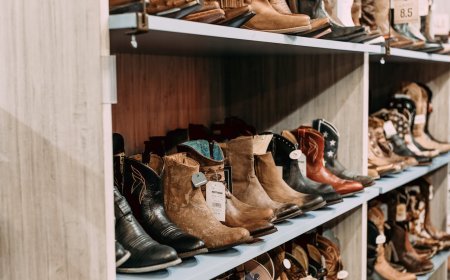
Look for doors slightly ajar, signs that say Staff Only (which often means Ask Me), or shelves tucked behind curtains. If you see a rack labeled Archives or Past Seasons, ask if you can browse. You might find a limited-edition silk blouse from a local designer who closed her studio five years ago, or a pair of hand-stitched boots from a cobbler who no longer accepts commissions.
6. Follow the Local Artisan Trail
Nob Hill is a nexus for Portlands artisan community. Many boutiques dont just sell itemsthey serve as galleries for local makers. Look for small tags that say Made in Portland or Handcrafted by [Name]. Cross-reference those names with local craft fairs, artist collectives, or studio tours. Some of the most coveted pieces in Nob Hill boutiques come from makers who only sell through a handful of curated locations.
For example, a small boutique on NW 21st might carry jewelry from a metalsmith who works out of a garage in Northeast Portland. That same metalsmith might also be featured at the Portland Art Museums annual Craft Fair or the Oregon College of Art & Crafts alumni exhibition. By following these makers journeys, youll uncover not just products, but a network of creativity that extends far beyond the boutiques four walls.
7. Keep a Discovery Journal
Bring a small notebook or use your phones notes app to record what you find. Note the boutique name, the street, the item, and any stories the owner shared. Include photos if permitted. Over time, this becomes your personal map of Nob Hills hidden retail ecosystem.
After each visit, spend five minutes researching what you found. Was the designer featured in a local magazine? Did the boutique host an event last year? Did the artisan collaborate with another local business? These connections often lead to even more obscure finds. For example, you might discover that the same leatherworker who supplies a boutique on Thurman also makes belts for a bookstore on NW 23rdleading you to another hidden shop you didnt know existed.
8. Return and Build Relationships
Hidden gems dont reveal themselves on the first visit. They reveal themselves over time, through repeated engagement. If you find a shop you love, go back. Not to buy, but to say hello. Ask how the new shipment arrived. Comment on a piece you saw last time. Become a familiar face.
Many boutiques in Nob Hill operate on a loyalty system that isnt formalized. The owner may not offer a punch card, but theyll remember your name, your size, your taste. And when they get something truly rarea vintage 1960s wool coat from Sweden or a hand-painted silk scarf from a Kyoto artisttheyll call you before it even hits the floor.
This is the secret: the best finds are reserved for those who show up consistently, respectfully, and with genuine interest.
Best Practices
1. Prioritize Quality Over Quantity
One of the biggest mistakes shoppers make is trying to buy everything. In Nob Hill, less is more. Instead of purchasing five items, focus on one or two that resonate deeply. Ask yourself: Does this piece feel timeless? Will I still love it in five years? Is it made to last? These questions help you avoid impulse buys and connect with pieces that truly reflect your values.
2. Embrace Imperfection
Many of the most cherished items in Nob Hill boutiques are vintage, handmade, or upcycled. They may have slight imperfectionsa faded seam, a small stain, an uneven stitch. These arent flaws; theyre marks of authenticity. In a world obsessed with flawless, mass-produced goods, these imperfections tell a story of human hands, time, and care. Learn to appreciate them.
3. Avoid the Tourist Trap Trap
Be wary of boutiques with glossy brochures, English-only signage, or staff who aggressively pitch Portlands best finds. These are often curated for visitors, not locals. The real gems are quieter, more humble. If a shop feels like it was designed for Instagram, it probably is. The ones that feel like someones living room with clothes on hangers? Those are the ones worth your time.
4. Shop with Intention, Not Just Aesthetics
Dont buy something just because it looks good in a photo. Ask yourself: Does this fit my lifestyle? Will I wear it? Does it align with my values? Many Nob Hill boutiques carry sustainable, ethically sourced, or zero-waste items. Supporting these businesses means supporting a broader movement toward mindful consumption.
5. Respect the Space and the People
Nob Hill boutiques are not malls. Theyre small, often one-person operations. Dont linger for hours without engaging. Dont take photos without asking. Dont touch items carelessly. Treat the space like you would a friends home. A little courtesy goes a long wayand its often rewarded with access to exclusive pieces or invitations to private events.
6. Support Local Events, Even If Theyre Small
Keep an eye out for low-key events: a pop-up with a local potter on a Saturday afternoon, a book signing with a fashion historian, or a silent auction for a neighborhood nonprofit hosted inside a boutique. These events are rarely promoted online but are often shared through neighborhood newsletters or word of mouth. Attending them gives you insider access to the community and often introduces you to makers youd never find otherwise.
7. Learn the Lingo
Every neighborhood has its own vocabulary. In Nob Hill, terms like hand-finished, deadstock, upcycled, local dye, and one-of-one carry specific meaning. Learn what they mean. Deadstock refers to unused fabric or garments from discontinued linesoften high-quality and rare. Hand-finished means the final details were done by hand, not machine. Knowing these terms helps you ask better questions and recognize true craftsmanship.
Tools and Resources
1. Local Community Email Lists
Many Nob Hill residents subscribe to hyper-local newsletters like The Nob Hill Note or NW 21st Weekly. These are often curated by longtime residents or small business owners and contain updates on new arrivals, closing sales, and secret events. Sign up through the websites of boutiques you visitthey often have sign-up forms near the register.
2. Portland Artisan Directories
Use curated directories like Portland Made (portlandmade.org) and Oregon Artisan Collective (oregonartisan.org). These platforms list makers who sell through independent boutiques. Search by category (e.g., textiles, leather goods) and filter by neighborhood. Many artisans list the boutiques where their work is carriedthis is a direct pipeline to hidden shops.
3. Instagram Hashtags and Geotags
While many boutiques dont have active accounts, their customers do. Search Instagram for hashtags like
nobhillstyle, #portlandboutique, #nw21st, or #portlandvintage. Look at photos tagged at specific addresses. Often, customers will post close-ups of items with captions like Found this at a little shop on Thurmanno sign, just a bell. These posts are goldmines for discovery.
4. The Portland Public Librarys Local History Collection
Visit the Portland Public Librarys downtown branch and request access to the Portland Retail Archives. These include old business directories, neighborhood maps from the 1980s and 90s, and interviews with long-time shop owners. You might discover that a current boutique was once a 1970s tailoring studio, or that a now-closed shops owner started a line now carried elsewhere. This historical context adds depth to your hunt.
5. Neighborhood Walking Tours (Self-Guided)
Download the free Portland Independent Retail Map from the Portland Business Alliance website. It includes lesser-known streets and alleys where boutiques cluster. Print a copy or save it offline. Use it to plan your route. Start at NW 20th and Thurman, then work your way toward NW 23rd. Look for side alleysmany boutiques are tucked into converted homes or former garages.
6. Local Podcasts and YouTube Channels
Listen to episodes of The Portland Shopper podcast or watch Portland Uncovered on YouTube. These platforms occasionally feature deep dives into Nob Hill boutiques, including interviews with owners who rarely give media interviews. One episode, The Bell That Doesnt Ring, profiles a boutique that only opens by appointmentand the owner shares how to get in.
7. Join Local Craft and Vintage Facebook Groups
Search for groups like Portland Vintage & Thrift Enthusiasts or NW Portland Artisans & Makers. Members often post about new finds, shop openings, or secret sales. You might see a post like: Just got a box of 1950s linen shirts from the owner of that little shop on Thurmanshe said shell be restocking next Tuesday. Dont tell anyone.
Real Examples
Example 1: The Bell on Thurman
On NW Thurman, between 21st and 22nd, theres a narrow doorway with a single brass bell and no sign. Inside, youll find Mend & Make, a tiny workshop and boutique run by Elena Ruiz, a former fashion student who left corporate design to repair and reimagine vintage clothing. She doesnt have a website. Her Instagram has 347 followers. But shes been featured in two local zines and has a waiting list for custom restorations.
One visitor found a 1968 wool coat with a missing button. Elena didnt just fix itshe hand-embroidered a new one using thread from a vintage Japanese kimono. The customer returned three months later to commission a matching scarf. Now, Elena keeps a small drawer of mystery pieces for regularsitems shes saved because they feel right for someone who understands them.
Example 2: The Forgotten Fabric Room
A boutique called Thread & Time on NW 22nd carries textiles sourced from defunct Portland mills. One day, a customer asked if they had any wool from the old Columbia River Textile Works. The owner, who had worked there in the 1980s, quietly opened a locked cabinet and pulled out three yards of deep indigo woolunused since 1992. It had been stored in a climate-controlled basement for 30 years. The customer bought it to make a coat. The owner later gifted her a small notebook filled with fabric swatches from other mills that closed over the decades.
Example 3: The Artists Secret Shelf
At Haven & Hinge, a boutique specializing in hand-carved wood accessories and jewelry, the owner keeps a small shelf behind the counter labeled For Those Who Ask. It holds pieces made by his late mentor, a woodcarver who never sold publicly. Each item is numbered and dated. Only people who spend more than 15 minutes talking about craftsmanship are shown this shelf. One visitor, a retired architect, spent an hour discussing grain patterns. He left with a single pendant carved from reclaimed walnutnow his most treasured possession.
Example 4: The Bookstore That Sells Clothes
On NW 23rd, The Quiet Page is primarily a bookstore. But in the back corner, behind a curtain, theres a rack of vintage dresses donated by a local theater company in the 1990s. Each dress has a handwritten note on the tag: Worn by [Actors Name] in [Play]. The owner doesnt advertise it. But if you ask about the theater dresses, shell pull one out and tell you the story behind it. One dress, worn in a 1971 production of A Streetcar Named Desire, was later found to have been stitched by the actresss mother using thread from her wedding gown.
FAQs
Do Nob Hill boutiques accept credit cards?
Many do, but some smaller shops operate on a cash-only or Venmo basis. Always carry a small amount of cash. Its also a sign of respectmany owners use cash transactions to avoid processing fees and keep prices low for their community.
Are these boutiques open on Sundays?
Most are closed on Sundays. Nob Hill boutiques often operate on a four-day week (WednesdaySaturday) to allow owners time for sourcing, crafting, and rest. Always check their social media or call ahead if youre planning a Sunday visit.
Can I return items from these boutiques?
Return policies vary. Many boutiques do not accept returns on handmade, vintage, or custom items. Some offer store credit. Always ask before purchasing. This isnt a limitationits part of the philosophy: buying with intention means youre confident in your choice.
Do any boutiques ship internationally?
A few do, but most focus on local customers. If youre interested in an item from afar, ask if they can mail it. Many owners are happy to shipbut they may not list shipping options online because they handle requests personally.
How do I know if something is truly handmade?
Look for small irregularities: uneven stitching, slight color variations, hand-carved details. Ask the owner about the process. If they describe the steps in detailI dyed this with walnut husks, or I carved this with a chisel I inheritedits likely handmade. If they say, Its from a supplier in China, its not.
Are there any sales or discounts?
Seasonal sales are rare. Instead, some boutiques host swap days where you can trade items you no longer wear for store credit. Others offer pay-what-you-can days for slow seasons. These are often announced via email or word of mouth.
What should I wear when visiting?
Comfortable, neutral clothing is best. Youre not there to impressyoure there to observe and connect. Avoid loud logos or flashy accessories. Youll blend in better and may be invited into conversations you wouldnt otherwise hear.
Conclusion
Finding hidden gems in Nob Hill boutiques isnt about luckits about intention, patience, and deep listening. These shops dont shout for attention. They whisper. And those who take the time to lean in are rewarded with more than merchandise. They receive stories, connections, and a deeper understanding of Portlands creative soul.
The true treasure isnt the handwoven scarf, the restored boot, or the vintage brooch. Its the realization that in a world of algorithms and automation, there are still places where human hands, quiet dedication, and personal connection shape what we wear, how we live, and how we belong.
So next time youre in Nob Hill, skip the main drag. Turn down the quiet street. Ring the bell. Say hello. And let the shop reveal itself to younot because youre looking for something, but because youre ready to receive it.