
























Everything You Need to Know About Crane Mounted Pile Drivers


In the world of heavy construction and infrastructure development, foundation stability is critical. One of the most essential tools used to ensure this stability is the pile driver. Among the many types of pile driving systems available, crane mounted pile drivers stand out due to their power, versatility, and efficiency. These machines play a vital role in driving piles deep into the ground to support large structures like bridges, skyscrapers, ports, and wind turbines.
This article explores everything you need to know about crane mounted pile drivers, including their functionality, types, benefits, applications, and factors to consider before choosing one for your project.
What Are Crane Mounted Pile Drivers?
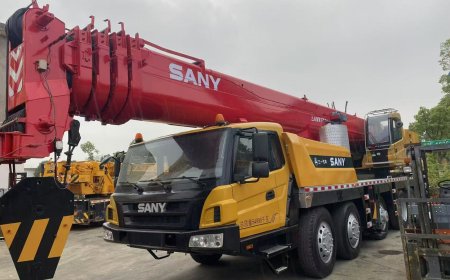
Crane mounted pile drivers are powerful machines used in construction to drive piles (long support beams) into the ground. As the name suggests, these pile drivers are mounted on cranes, which gives them exceptional reach and mobility. The crane allows the pile driver to access hard-to-reach or deep locations, making it an ideal tool for large and complex projects.
These machines work by generating vertical impact or vibratory force to push piles made of steel, concrete, or timberinto the ground. The crane provides the necessary height and positioning capabilities, while the pile driver unit delivers the driving force.
Types of Crane Mounted Pile Drivers
There are different types of crane mounted pile drivers, each suited to specific soil conditions and project needs:
1. Impact Pile Drivers
Impact pile drivers use a heavy weight dropped onto the pile head to drive it into the ground. The force is delivered through a series of controlled blows. These are often used in dense or compact soils.
2. Vibratory Pile Drivers
Vibratory pile drivers use rapid vertical vibrations to reduce soil resistance around the pile, allowing it to sink into the ground more easily. These are suitable for granular soils like sand or gravel and are preferred in noise-sensitive environments.
3. Hydraulic Pile Drivers
These combine impact and pressure techniques using hydraulic systems to push piles into the ground with steady force. They offer greater control and are widely used in urban or environmentally sensitive areas.
Key Components of Crane Mounted Pile Drivers
Crane mounted pile drivers typically consist of the following:
-
Crane Boom: Provides height and reach to position the pile driver.
-
Leader or Guide: Keeps the pile in line and helps direct vertical motion.
-
Pile Driver Head: The unit that delivers the driving force, either through impact or vibration.
-
Power Pack: Provides hydraulic or electric power to operate the driver.
-
Control System: Manages driving speed, angle, depth, and safety features.
Advantages of Crane Mounted Pile Drivers
1. High Versatility
Crane mounted pile drivers can handle different pile sizes and types, making them suitable for a wide range of projects, from marine foundations to high-rise buildings.
2. Enhanced Reach and Mobility
Since the pile driver is mounted on a crane, it can access deep or restricted locations that other equipment might not reach.
3. Efficient Installation
Crane mounted systems often result in faster pile installation, reducing overall project timelines and labor costs.
4. Adaptability to Various Terrains
These machines are effective on land, over water, and in unstable or rugged terrains.
5. Customizable Setup
Different pile driver heads and configurations can be mounted on a crane to adapt to specific engineering and soil requirements.
Common Applications
Crane mounted pile drivers are used in:
-
Bridge Construction
-
Marine Piling Projects (Ports, Docks)
-
High-Rise Foundations
-
Offshore Wind Turbine Installations
-
Oil and Gas Platforms
-
Railway and Highway Infrastructure
Things to Consider When Choosing Crane Mounted Pile Drivers
Before selecting a crane mounted pile driver, consider the following:
1. Soil Type
Understand the geotechnical conditions of your site. Some machines are better suited for soft soils, while others work best in dense or rocky conditions.
2. Pile Specifications
Choose a machine compatible with the size, length, and material of the piles you intend to use.
3. Project Location
If the site is on water or in an urban environment, ensure the equipment is configured for those specific challenges.
4. Noise and Vibration Restrictions
Certain regions have regulations limiting noise and ground vibration levels. Vibratory and hydraulic models may be more appropriate in such settings.
5. Crane Capacity
Make sure the crane used has the lifting capacity and structural integrity to handle the weight of both the pile driver and the pile material.
6. Operational Safety
Select equipment with robust safety systems, including emergency stop functions, monitoring sensors, and stable guide systems.
Maintenance and Safety Tips
-
Regular Inspections: Conduct routine checks on hydraulics, cables, bolts, and vibration heads.
-
Operator Training: Ensure that operators are fully trained and certified to use the equipment safely.
-
Ground Assessment: Continuously monitor soil conditions during operation to prevent equipment instability or pile misalignment.
-
Proper Lubrication: Keep all moving parts properly lubricated to prevent wear and tear.
Conclusion
Crane mounted pile drivers are an indispensable part of modern construction, offering power, precision, and adaptability across diverse applications. From high-rise foundations to offshore platforms, their ability to drive large piles with efficiency makes them a preferred choice for contractors and engineers alike.