


















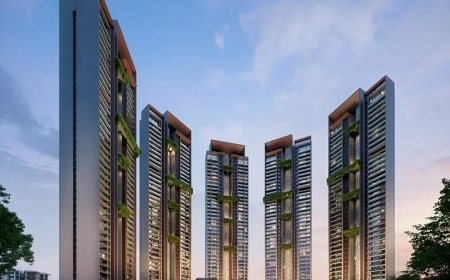







Commercial Design Benefits in New York City and the USA
Investing in commercial design increases the market value of the property. In NYC, where commercial real estate is highly competitive, a well-designed space stands out to potential buyers or tenants.


In the bustling commercial environments of New York City and across the United States, the power of effective commercial design cannot be overstated. It plays a vital role in influencing customer behavior, employee satisfaction, and overall business success. From storefront appeal to office interiors, commercial design services in new york enhances functionality while creating an engaging experience for users. Lets explore how businesses across NYC and the USA benefit from professional commercial design.
1. First Impressions Drive Success
One of the most important benefits of commercial design is its ability to create a strong first impression. In competitive markets like New York City, the exterior and interior design of a commercial space sets the tone for how clients perceive a business.
Whether its a retail shop on Fifth Avenue or a corporate office in Midtown Manhattan, a well-designed space immediately signals professionalism, quality, and trustworthiness. Eye-catching signage, strategic lighting, and modern architecture attract foot traffic and elevate brand image.
Key takeaway: Design is often the first interaction a customer has with your brandmake it count.
2. Increased Productivity and Employee Satisfaction
Workplace design significantly influences productivity and employee morale. In commercial settings such as offices, coworking spaces, and tech hubs, interior design affects how employees feel, focus, and collaborate.
In NYC, where office space comes at a premium, designers creatively maximize functionality using open layouts, ergonomic furniture, acoustic solutions, and natural light. Nationwide, forward-thinking companies are prioritizing design to support hybrid work models, mental wellness, and flexibility.
Benefits include:
-
Reduced stress and burnout
-
Better collaboration and communication
-
Enhanced creativity and innovation
3. Optimized Use of Space
Commercial design goes beyond aestheticsit focuses on optimizing space for function and flow. This is especially critical in densely populated cities like New York, where square footage is limited and expensive.
Professional designers assess a space and plan layouts that ensure smooth traffic, logical zoning, and efficient utility placement. From restaurants and hotels to clinics and retail stores, optimized commercial spaces can accommodate more customers, staff, and inventory without feeling cluttered.
Impact: Businesses use their available space more effectively, improving performance and ROI.
4. Enhanced Brand Identity
In both New York and other U.S. cities, brands use commercial design as a tool to tell their story and reinforce identity. Colors, materials, textures, and layouts are selected to reflect brand values and resonate with the target audience.
Think of major flagship stores in ManhattanApple, Nike, and Starbucks. Each location delivers a unique yet consistent brand experience, thanks to strategic commercial design. Nationwide, franchises and startups alike adopt design systems to keep their image aligned across multiple locations.
Result: Stronger brand recall and deeper emotional connection with customers.
5. Energy Efficiency and Sustainability
Modern commercial design embraces sustainability, helping businesses reduce operational costs and align with eco-conscious consumers. In cities like NYC with stringent building codes and energy benchmarks, green design isn't just beneficialits often required.
Energy-efficient lighting, HVAC systems, eco-friendly materials, and sustainable construction practices reduce a buildings carbon footprint. Across the U.S., Leadership in Energy and Environmental Design (LEED) certification has become a key benchmark for commercial projects.
Benefits include:
-
Lower utility bills
-
Tax incentives and government rebates
-
Improved public perception and environmental impact
6. Competitive Edge in Retail and Hospitality
Retailers and hospitality brands in New York City thrive or fail based on customer experienceand commercial design is a major factor. A thoughtfully designed space improves foot traffic, dwell time, and ultimately sales.
Restaurants with ambient lighting and layout designed for comfort see better reviews and repeat visits. Hotels that prioritize interior design from lobbies to guest rooms create memorable stays that drive loyalty. Nationally, businesses are investing in design as part of customer acquisition and retention strategies.
Conclusion: Design is more than visualit's a business asset that drives revenue.
7. Compliance with Local Building Codes and Accessibility
In the U.S., commercial properties must comply with a range of regulations, including the Americans with Disabilities Act (ADA), fire safety codes, and zoning laws. In NYC, where regulations are especially detailed and enforced, professional commercial designers ensure compliance from the start.
An experienced designer will incorporate features like:
-
Accessible entrances and restrooms
-
Fire exits and safety signage
-
Proper ventilation and lighting
-
Permitting and architectural approvals
Benefit: Avoid costly delays, fines, or legal issues by designing with compliance in mind.
8. Flexible Design for Future Growth
A major advantage of professional commercial design is planning for the future. Businesses grow, change models, or expand teamsand a flexible design accommodates those changes with minimal disruption.
Modular furniture, adaptable lighting, and scalable layouts are especially popular in coworking spaces, medical offices, and tech startups. In NYCs fast-paced market, adaptability keeps businesses agile and ready to meet demand.
Example: A restaurant designed with removable partitions can easily shift to event hosting or private dining.
9. Higher Property Value and Marketability
Investing in commercial design increases the market value of the property. In NYC, where commercial real estate is highly competitive, a well-designed space stands out to potential buyers or tenants.
Whether leasing retail space in SoHo or selling a renovated office building in Brooklyn, owners can demand higher prices thanks to modern design, energy-efficient systems, and updated aesthetics. Nationwide, design plays a critical role in real estate investment decisions.
Result: Commercial properties become more desirable and financially rewarding.
10. Support for Digital Integration and Smart Tech
In todays world, commercial spaces must accommodate smart technologiessecurity systems, digital signage, climate controls, and connected devices. Commercial design now includes planning for IT infrastructure and tech integration.
In New Yorks fast-evolving commercial districts, tech-driven spaces are becoming standard, especially in fintech, healthcare, and e-commerce industries. Across the U.S., businesses that merge design with technology future-proof their investments.
Example integrations:
-
Touchless entry systems
-
Smart lighting and thermostats
-
Interactive kiosks and displays
Final Thoughts
Residential Design services new york is no longer a luxuryits a strategic investment for any business operating in New York City or across the USA. From boosting brand visibility to improving employee well-being and customer experience, the advantages are both immediate and long-term.
By working with experienced commercial designers, businesses unlock the full potential of their physical spaces, improve operational performance, and gain a lasting competitive edge. Whether you're a startup, a franchise, or an enterprise, great design is the foundation for growth in todays dynamic market.