
























Chili Peppers and Lung Cancer: A Hot Solution or Just a Myth?

In recent years, natural remedies have been in the spotlight for their potential role in preventing or even treating serious diseasesincluding cancer. Among these, chili peppers have sparked considerable interest due to one of their key components: capsaicin. Some online sources boldly claim that "chili is the solution for lung cancer." But how true is this claim? Can something as simple as a chili pepper help fight one of the deadliest cancers in the world?
Lets explore the science behind chili peppers, capsaicin, and their potential role in lung cancer prevention and treatment.
Understanding Lung Cancer
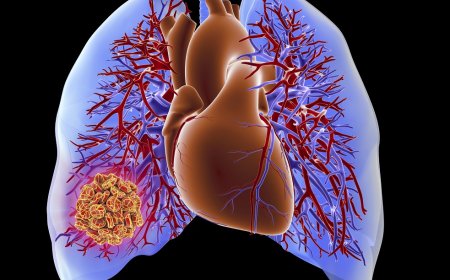
Lung cancer is the leading cause of cancer-related deaths worldwide. It can affect both smokers and non-smokers, although smoking remains the top risk factor. The two main types are:
-
Non-small cell lung cancer (NSCLC) The most common type.
-
Small cell lung cancer (SCLC) Fast-growing and aggressive.
Common treatments include chemotherapy, radiation, surgery, and targeted therapy. In recent years, alternative and integrative medicine has gained attention as a supplementary approachespecially from diet-based interventions.
The Power of Chili: What Is Capsaicin?
Chili peppers contain capsaicin, the compound that gives them their heat. Beyond flavor, capsaicin has demonstrated anti-inflammatory, analgesic, and anti-cancer properties in various lab and animal studies.
Key biological effects of capsaicin include:
-
Inducing apoptosis (programmed cell death) in cancer cells
-
Inhibiting angiogenesis (the formation of new blood vessels that feed tumors)
-
Reducing oxidative stress and inflammation
-
Modulating gene expression related to tumor progression
Scientific Evidence: Capsaicin vs Lung Cancer Cells
Several laboratory studies have examined the effects of capsaicin on lung cancer:
-
In Vitro Studies (Cell Culture):
-
Capsaicin has been shown to induce apoptosis in lung cancer cell lines.
-
It disrupts mitochondrial function, leading to cell death in cancerous cells without harming healthy ones.
-
-
Animal Models:
-
Rodent studies have demonstrated that dietary capsaicin slows down tumor growth and may inhibit the spread of lung tumors.
-
Capsaicin appeared to enhance the effect of chemotherapy drugs.
-
-
Synergistic Effects with Conventional Therapy:
-
Capsaicin may increase chemo-sensitivity, making cancer cells more responsive to treatment.
-
In some studies, it reduced the resistance of lung cancer cells to drugs like cisplatin.
-
Real Limitations and Challenges
While these results sound promising, its important to understand the limits:
-
Most studies are preclinical, conducted in labs or on animalsnot humans.
-
High doses of capsaicin are often used in these studies, which may not be safe or practical for humans.
-
Capsaicin, in excess, can irritate the stomach lining, trigger acid reflux, or cause discomfort.
-
Theres no clinical trial evidence yet to support capsaicin as a standalone treatment for lung cancer.
Does This Mean Chili Is a Cure for Lung Cancer?
No. While chili peppers and capsaicin show potential anti-cancer properties, they are not a substitute for medical treatment. The statement "chili is the solution for lung cancer" is an oversimplification.
Whats more accurate is: chili peppers may support lung health and act as a complementary dietary component, especially when used alongside a balanced, antioxidant-rich diet.
How Chili Can Support Lung Health
Although not a cure, chili peppers may support lung function and immunity by:
-
Clearing mucus and congestion capsaicin acts as a natural decongestant.
-
Boosting immunity rich in Vitamin C and beta carotene.
-
Providing antioxidants that fight oxidative damage in lung tissues.
-
Acting as an anti-inflammatory which is important for chronic lung conditions.
Recommended Ways to Include Chili in Your Diet
If you enjoy spicy food and dont have any gastrointestinal issues, here are safe ways to add chili to your daily meals:
-
Sprinkle chili flakes or powder on soups and stews
-
Use fresh green chilies in curries or stir-fries
-
Make spicy herbal teas (with ginger, turmeric, and chili)
-
Add a dash of hot sauce to eggs or sandwiches (go easy!)
Note: Always consult a healthcare provider if youre undergoing cancer treatment before changing your diet significantly.
The Bigger Picture: Diet and Lifestyle for Lung Health
Rather than relying solely on chili, a holistic approach to lung cancer prevention is ideal:
-
Quit smoking the single best step for lung health
-
Eat a diet rich in vegetables, fruits, and whole grains
-
Exercise regularly to boost immunity and lung capacity
-
Avoid air pollution and toxic chemicals
-
Consider supplements like turmeric (curcumin), garlic, and green tea also known for anti-cancer properties
Final Thoughts
Chili peppers and capsaicin show great promise in cancer research, especially for their ability to target and kill lung cancer cells in the lab and best cancer hospital in Bangalore. However, moreclinical studies and human trials are needed before any definitive claims can be made.
So while chili is not a cure, it might be one small part of a larger, natural strategy for protecting and supporting your lungs. Always combine natural approaches with evidence-based medical treatments, and consult your oncologist before making any significant dietary changes.