
























Can You Relieve Neck and Back Pain Through Massage?
Discover how massage therapy relieves neck and back pain while supporting emotional balance and improving connection in relationships. Learn the deeper benefits.


Neck and back pain often arise from repetitive patterns in daily life extended sitting, poor posture, limited movement, and mental stress. These habits gradually accumulate tension in the muscles around the spine, shoulders, and neck, leading to stiffness, soreness, and sometimes chronic discomfort. When left unaddressed, physical stress can create secondary effects such as fatigue, irritability, and reduced focus.
For many individuals seeking gentle yet effective relief, massage therapy has emerged as a holistic response to these deeply rooted tensions. In a well-established Spa in Chennai, clients frequently report a reduction in physical discomfort after targeted massage techniques, especially when sessions are tailored to address areas affected by postural stress and spinal strain. This is not only about temporary comfort; the tactile interaction of massage improves circulation, eases muscular tightness, and helps restore natural alignment, which are all essential for long-term postural health.
How Massage Eases Muscular Discomfort
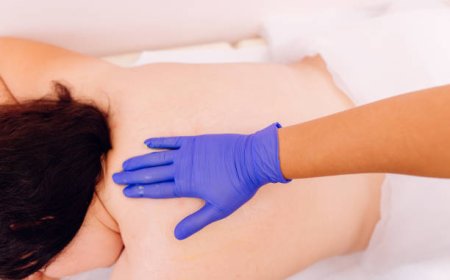
The human back and neck are home to intricate muscle groups that support daily movement, stability, and spinal protection. When tension builds in these muscles, it can restrict mobility and cause pain. Massage therapy offers a hands-on approach to this problem by working directly with soft tissues to encourage muscle tension release and improve circulation.
Therapists apply techniques such as kneading, stretching, and light compression to relieve muscle knots and adhesions. These actions reduce pressure on nerves and allow better spinal movement, a process often referred to as spinal decompression in the context of manual therapy. The body responds to this by activating the parasympathetic nervous system, which facilitates relaxation and emotional grounding.
Regular massage also supports body awareness, a key component of maintaining healthy posture. As clients become more aware of how they carry tension, they often adjust their daily habits, further reinforcing the effects of therapy.
The Emotional Impact of Physical Pain
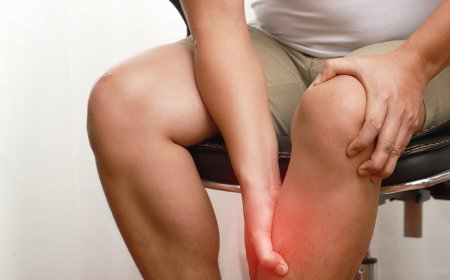
Pain, particularly when chronic, often leads to more than physical discomfort it also causes emotional strain. Individuals with persistent back or neck issues may feel exhausted, irritable, or disconnected from those around them. Physical discomfort and irritability tend to form a cycle: the more pain one experiences, the harder it becomes to regulate emotions and maintain healthy interactions.
This is where massage can have a deeper, often unexpected, impact. By reducing pain, massage naturally reduces emotional stress. The calming effects of stress relief through touch help regulate mood and support better emotional resilience. When the body begins to feel lighter and more mobile, the mind often follows, creating space for more patience, better communication, and emotional receptivity.
So, why is massage effective for improving connection in relationships? The answer lies in its dual role: relieving pain and restoring emotional balance. When an individual experiences less pain, they tend to be more open, responsive, and emotionally available. This shift can positively affect how partners, family members, or close friends relate to one another, deepening bonds through improved emotional tone. Massage also enhances a persons presence and groundedness crucial elements in sustaining partner connection through wellness.
This shared benefit becomes more apparent in couples massage or shared wellness sessions, where the act of healing is mutual. Such shared healing experiences not only improve physical comfort but also cultivate emotional trust and closeness, especially when both partners are navigating stress together.
From Pain Relief to Emotional Closeness
Massage is not simply a solitary experience. For many, it becomes part of a relational process, a pathway toward healing not only the body but also the emotional environment within close relationships. As pain diminishes, irritability decreases. When the body relaxes, communication improves.
In a serene Spa in Velachery, for instance, massage therapy is often approached not only as physical care but as a full-body reset that indirectly fosters better interpersonal harmony. When someone whos been living with discomfort begins to feel lighter, they naturally engage more compassionately with others. Emotional grounding becomes easier, and the need to withdraw or react defensively is often reduced.
Massage also encourages the nervous system to shift into a restful state, which creates opportunities for people to reconnect with themselves and, by extension, with those they care about. In this way, the benefits move far beyond muscles and posture they ripple into the subtle dynamics of everyday interactions.
Location-Specific Access to Massage Therapies
Accessibility plays a crucial role in making massage therapy a regular part of one's wellness routine. Fortunately, many urban neighborhoods now host professional massage centers that offer tailored sessions for neck and back concerns.
A Spa in Anna Nagar, for example, may offer services that address both acute tension and stress-related body patterns. Whether the goal is postural stress relief, emotional balance, or simply taking time to reconnect with ones physical self, massage becomes a safe, structured space to engage in healing.
Le Bliss Spa, a known name in the wellness space, provides a quiet setting where clients can experience these physical and emotional benefits without distraction. By choosing professional, consistent care, many individuals have found that they are not only addressing pain but also opening doors to deeper emotional insight and connection.
Massage, then, becomes more than treatment. It becomes a tool one that restores alignment, nurtures emotional balance, and strengthens the bonds between people through the subtle yet profound effects of touch and relaxation.