
























How Road Freight Quotes Work in Australia: A Step-by-Step Guide
Learn how road freight quotes work in Australia. This guide explains pricing factors, shipment types, real use cases, and how to compare services for better logistics planning.

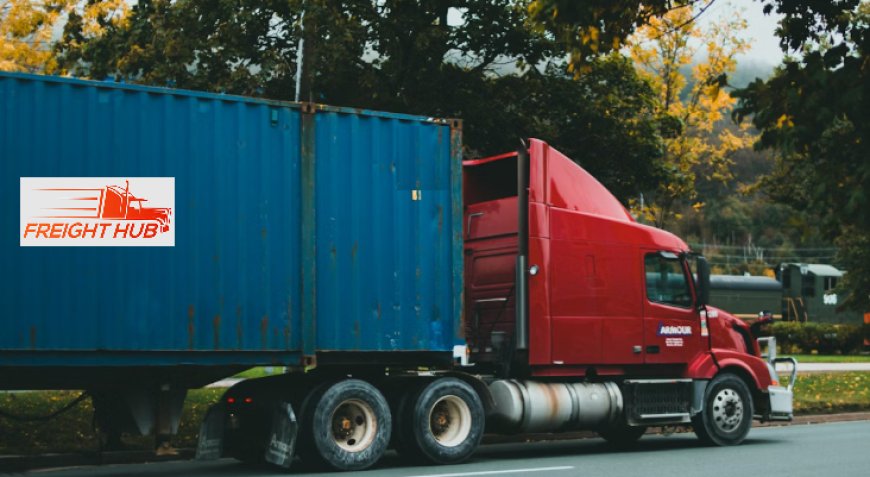
Road freight plays a key role in Australias domestic transport network, moving over 1.7 billion tonnes of goods annually. From regional farms to major urban distribution centres, trucks form the backbone of supply chains. Understanding how road freight quotes work is vital for businesses aiming to manage logistics efficiently and cost-effectively.
This guide provides a step-by-step explanation of how freight quotes are generated, what factors influence pricing, and how you can make informed decisions when selecting a road freight service.
What is a Road Freight Quote?
A road freight quote is a cost estimate provided by a carrier or logistics company for transporting goods by truck from one point to another. It typically includes:
-
Base transport charge
-
Fuel surcharge
-
Tolls or levies
-
Additional services like tail-lift or express delivery
The quote serves as a preliminary agreement before finalising a booking.
How to Get a Road Freight Quote in Australia
To get a road freight quote, follow these steps:
| Step | Description |
|---|---|
| 1. Define shipment details | Include origin, destination, dimensions, and weight. |
| 2. Choose service type | Decide between general freight, pallet freight, or full truckload. |
| 3. Request quotes | Use online tools or contact freight providers directly. |
| 4. Compare and confirm | Review pricing, services, and transit times before booking. |
Most providers offerinstant quotes via web platforms, while specialised jobs may require a custom assessment.
visit: https://freighthub.net.au/
Key Attributes That Influence Road Freight Quotes
Several attributes directly influence the final quote. Understanding these helps reduce surprise costs:
1. Distance and Location
Freight covering longer distances costs more. For instance, moving a pallet from Sydney to Melbourne (880 km) differs greatly from local Brisbane metro runs.
2. Weight and Volume
Carriers calculate pricing using either dead weight or volumetric weight (whichever is greater). A bulky but light shipment may cost more than a compact, heavier one.
Example: 1m of foam may cost more than 1m of bricks, despite being lighter.
3. Freight Class and Handling
Hazardous or fragile goods often require special handling, adding extra fees. Temperature-controlled or dangerous goods fall into this category.
4. Pickup and Delivery Conditions
Locations with limited accesssuch as rural properties or CBD zonesmay attract surcharges. Services like tail-lift delivery, after-hours pickups, or two-man crews also add to the quote.
Road Freight Quote Features
Road freight quotes typically include:
| Feature | Description |
|---|---|
| Breakdown of Charges | Itemised costs for fuel, distance, and extras. |
| Estimated Transit Time | Duration for delivery under regular traffic conditions. |
| Insurance Options | Coverage limits for lost or damaged freight. |
| Booking Validity | Timeframe during which the quote is valid (usually 730 days). |
These features help businesses plan shipments and budget accurately.
Common Road Freight Services
| Service Type | Description | Example Use Case |
|---|---|---|
| General Freight | Mixed or non-palletised cargo | Moving office supplies between cities |
| Pallet Freight | Standard-sized pallets | Warehousing distribution |
| Full Truckload (FTL) | Single-client use of an entire truck | High-volume stock replenishment |
| Linehaul Freight | Intercity or interstate transport | Perth to Brisbane bulk shipping |
Use Cases for Road Freight Quotes
Road freight quotes are useful across various industries:
-
Retail: Transporting stock from warehouses to outlets
-
Manufacturing: Moving components between facilities
-
Agriculture: Shipping produce from regional farms to market
-
Construction: Delivering equipment or materials to sites
-
Healthcare: Time-sensitive pharmaceutical deliveries
Pros and Cons of Road Freight in Australia
| Pros | Cons |
|---|---|
| Wide regional coverage | Slower than air freight |
| Flexible for small and large loads | Affected by weather and traffic |
| Lower cost per kilometre | Vehicle size limitations in metro areas |
| Suitable for door-to-door delivery | Limited to road-accessible areas |
Who Should Use Road Freight Quotes? (Target Audience)
-
Small businesses needing regular metro or regional deliveries
-
Logistics managers coordinating freight routes
-
Start-ups exploring budget-friendly shipping
-
Rural producers sending products to urban centres
-
Importers needing inland delivery from ports
Each audience benefits from tailored services like pallet tracking, freight scheduling, and flexible load options.
When Are Road Freight Quotes Most Relevant? (Situational Relevance)
Road freight quotes are highly relevant when:
-
Planning recurring shipments for supply chain consistency
-
Comparing transport modes (air, sea, rail, road) for cost-effectiveness
-
Managing logistics for product launches or seasonal spikes
-
Expanding business operations into new Australian regions
Timely and accurate quotes allow logistics teams to plan with precision and minimise delays.
Tips for Reducing Road Freight Costs
| Tip | Details |
|---|---|
| Consolidate shipments | Combine goods to reduce per-unit shipping cost |
| Choose off-peak times | Avoid peak periods to get better rates |
| Use standard pallets | Reduces handling fees |
| Provide clear instructions | Avoid delays and miscommunications |
| Compare multiple quotes | Ensure competitive pricing |
Conclusion
Road freight quotes in Australia are built on clear parameters like distance, weight, handling needs, and delivery conditions. By understanding these elements, businesses can make more informed decisions, reduce shipping costs, and improve logistics efficiency.
Whether you're moving freight from Melbourne to Perth or delivering pallets across Sydneys suburbs, a well-structured road freight quote ensures transparency and cost control.